Pawpaw
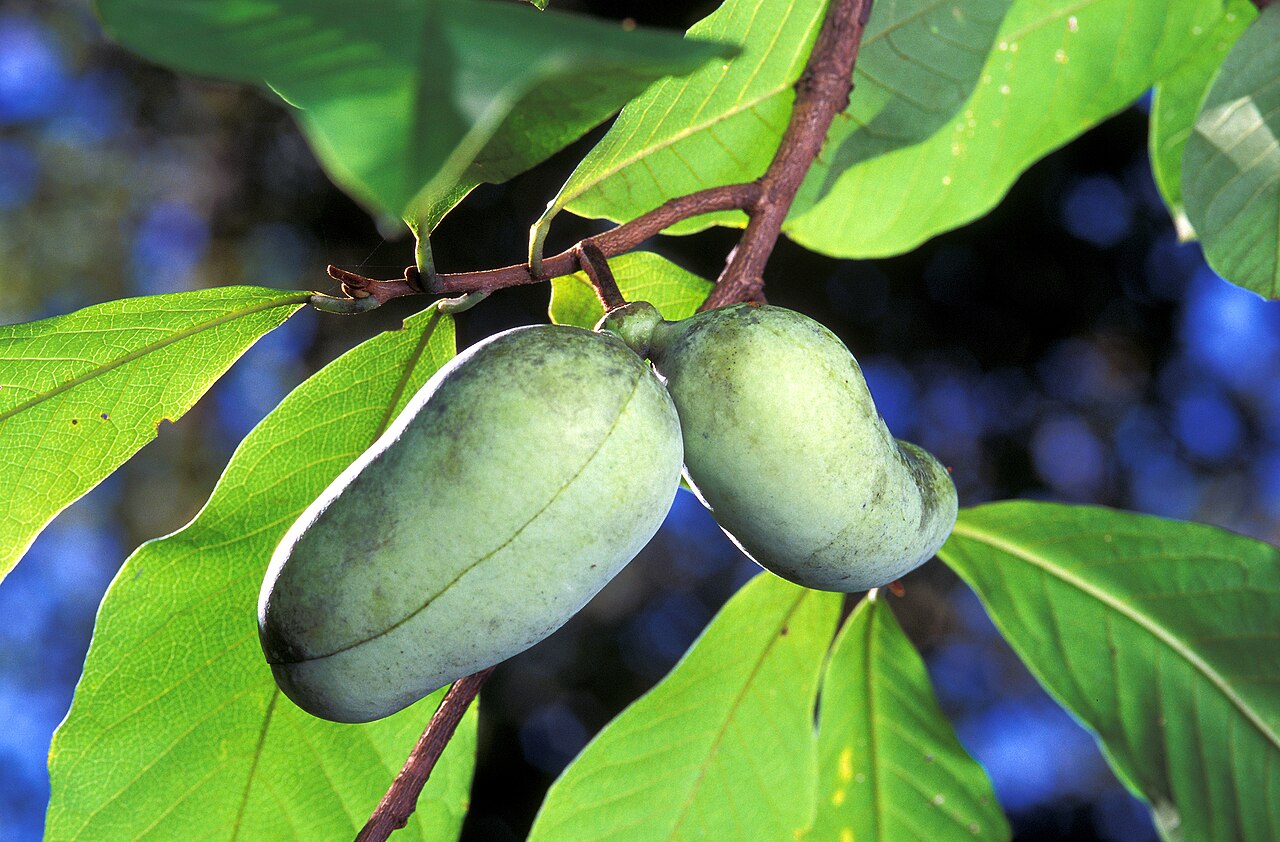
Asimina trilobaTree with edible fruit. Prefers moist, well-drained soil; can handle part shade when young
What to know before finding it a place.
Growing notes for our conditions.
Regional fit still depends on the actual site—especially drainage, exposure, irrigation, soil and the specific cultivar selected.
Oklahoma notes
Prefers moist, well-drained soil; can handle part shade when young
Disease resistance
Extremely disease and pest resistant
Pruning
Minimal pruning; remove root suckers unless expanding patch
Care
Needs cross-pollination; hand pollinate for best yields; protect young trees from direct sun
Drought tolerance
Moderate; consistent moisture improves performance
Plan the partners before planting the tree.
Pollination reference
For fruiting plants, compatible bloom timing and nearby partners can matter as much as the cultivar itself.
The cultivar can matter as much as the species.
These references help narrow the large number of named varieties to options better aligned with Zone 7A conditions, disease pressure and useful harvest windows.
Zone 7A Recommended Varieties
These are recommendations carried in the Organix Zone 7A reference database. They are not automatically the same as a cultivar personally proven by Organix on every site; site conditions and availability still matter.
Compare the varieties we have reference data for.
Open a cultivar to compare chill requirement, frost timing, harvest, heat and drought response, quality, strengths and cautions. A “Zone 7A Recommended” badge identifies cultivars also present in the recommendation list above.
Shenandoah★★★★★ Zone 7A Recommended Sep
Largest, best-flavored commercial pawpaw; excellent for high-end clients
Needs cross-pollinator; hand-pollinate for best yields; short shelf life (3-5 days)
Susquehanna★★★★★ Zone 7A Recommended Sep–Oct
Top-rated by PawPaw Foundation trials; pairs well with Shenandoah
Plant within 50 ft of Shenandoah or other clone for pollination
Sunflower★★★★★ Zone 7A Recommended Sep
Excellent mid-season pawpaw; known for reliable yields; selected from KS
Cross with NC-1 or Shenandoah for best yields
NC-1★★★★★ Zone 7A Recommended Aug–Sep
Early ripening extends season; reliable producer; classic selection
Short shelf life; chill and eat or process same day
Overleese★★★★★ Zone 7A Recommended Sep–Oct
Largest fruited pawpaw available; good for impressing clients
Requires 2 different clones for cross-pollination; hand-pollination improves yields
How this plant can function in a larger system.
Landscape functions
Edible; Attractor
Edible parts
Fruit
Companion plants
Spicebush, Wild Ginger, Goldenseal
Community / companion role
Pollination: Cross-pollinate (2 seedling or clonal varieties); Compatible partners/pollinators: Plant 2+ different clones; Companions: Spicebush, Wild Ginger, Goldenseal
Food-forest layer
Canopy
Oklahoma classification
Primary
Good establishment starts at planting.
The workbook’s installation guidance is surfaced here when a plant has a specific crew reference.
Support the plant without overcomplicating the system.
Soil preferences
Preferred pH 5.5-7.0
KNF / fertility schedule
Minimal; fall IMO4
Maintenance
Minimal pruning; remove root suckers unless expanding patch
Plant performance varies with microclimate, soil, drainage, water, maintenance and cultivar. Organix uses the library to narrow good candidates, then makes final selections around the actual site.
Edible and medicinal tags describe traditional or practical plant uses in the landscape and are not medical advice. Always verify identification, preparation and individual suitability before consuming a plant.