Build a plant palette around what you want the landscape to do.
Use the library to explore plants by sun, water needs, system layer and useful traits. Select any plant to open its growing, care, cultivar and installation profile when detailed reference data is available.
 Eastern Redbud
Small spring-flowering tree with strong seasonal interest and useful understory scale.
 Yaupon Holly
Evergreen structure with caffeinated leaves traditionally used for tea; adaptable once established.
 Purple Coneflower
Long-blooming perennial valued for pollinators, seedheads and a naturalistic garden character.
 Little Bluestem
Warm-season native grass with upright texture, excellent drought tolerance and fall color.
 Wild Bergamot
Aromatic native perennial that supports pollinators and fits meadow, herb and cottage-style plantings.
 Maximilian Sunflower
Tall late-season native sunflower that brings strong fall color and wildlife value.
 American Plum
Native small tree or thicket-forming shrub offering spring bloom, habitat and edible fruit.
 American Beautyberry
Loose native shrub known for vivid purple berry clusters and wildlife value.
 Thornless Blackberry
Productive cane fruit that works well where harvest access and trellising can be planned intentionally.
 Oregano
Durable culinary herb with pollinator-friendly flowers and strong performance in sunny, well-drained beds.
 Bronze Fennel
Tall aromatic herb with fine bronze foliage; useful for culinary gardens and beneficial insects.
 Creeping Phlox
Low spring-blooming groundcover for edges, slopes and rockier planting conditions.
Tree with edible fruit. Plant disease-resistant cultivars; fungal pressure high in wet springs
Tree with edible fruit. Avoid over-fertilizing with N — encourages fire blight
Tree with edible fruit. Peach leaf curl is prevalent; choose resistant cultivars; spray copper in late dormancy
Tree with edible fruit. Brown rot and black knot possible; keep canopy open
Tree with edible fruit. Native; extremely drought-tolerant once established; excellent for food forests
Tree with edible fruit. Low-maintenance once established; excellent for North Central OK
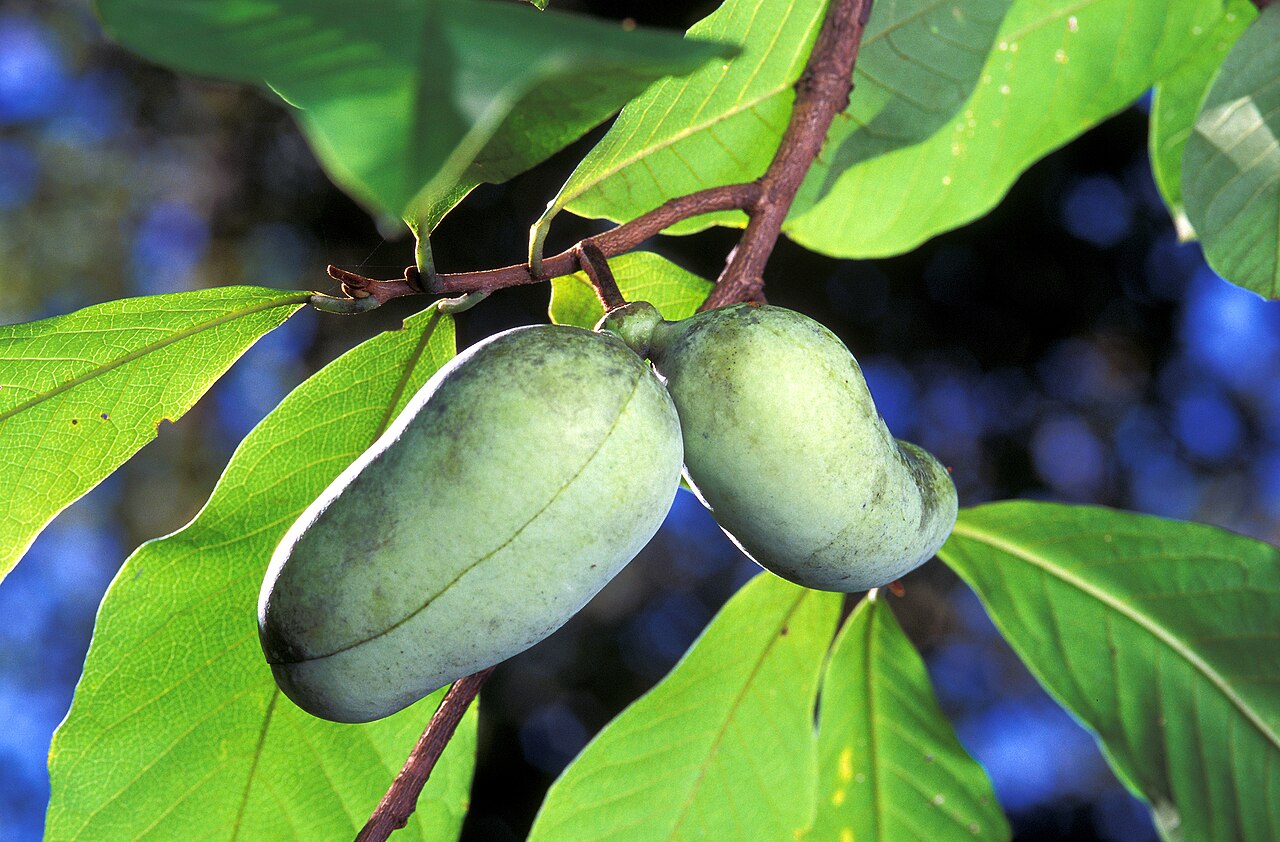 Pawpaw
Tree with edible fruit. Prefers moist, well-drained soil; can handle part shade when young
Tree with edible fruit, leaves. Messy drop — plan site accordingly; excellent wildlife value
Tree with edible nuts. Excellent native nut tree; valuable timber; allelopathic
Tree with edible nuts. Native to OK; Kanza and Pawnee are most scab-resistant; top commercial varieties
Tree with edible nuts. Excellent native nut tree; very drought-tolerant once established
Tree with edible fruit. One of the easiest fruit trees for Oklahoma; near-zero maintenance; highly underutilized
Tree/Shrub with edible fruit. Root zone protection is key; south-facing wall microclimate extends season
Tree/Shrub with edible berries, flowers. Extremely adaptable native; Wyldewood bred in Oklahoma; exceptional medicinal/edible value
Tree/Shrub with edible berries. Beautiful native multi-season interest; excellent for edible landscapes
Tree/Shrub with edible fruit, peel, flowers. Salavatski is the hardiest; survives Zone 7A with good site selection
Tree with edible fruit. Frost protection is critical; Harcot and Hargrand are late-blooming — better for OK
Tree with edible fruit. More reliable than sweet cherry in Zone 7A; birds are the biggest competition
Tree with edible nuts. Very productive; excellent alternative to pecan for smaller sites
Shrub with edible nuts. Excellent understory nut shrub; attracts pollinators and wildlife
Tree with edible fruit. Thrives in moist areas; excellent for rain gardens or low spots
Tree/Shrub with edible fruit. Low-maintenance and attractive; pairs well with pears in the landscape
Tree/Shrub with edible fruit, leaves. Marginally hardy in Zone 7A; protected sites perform well
Shrub with edible berries. Exceptional adaptability; drought tolerant once established; beautiful fall color
Shrub with edible berries. One of the best nitrogen fixers for food forests; extremely drought tolerant
Shrub with edible berries. Useful in controlled food forest settings but manage seed dispersal
Shrub with edible berries. Better choice than autumn olive where invasiveness is a concern
Shrub with edible berries. Best-adapted small fruit for North Central OK; semi-arid conditions suit canes
Shrub with edible berries. Comanche is the Oklahoma standard for thorned production
Shrub with edible berries. Most challenging fruit for OK due to alkaline soils; acid raised beds solve most issues
Shrub with edible berries. Heritage is most heat-tolerant; afternoon shade dramatically improves yields in OK
Shrub with edible berries. More tolerant of heat than red raspberry; still benefits from afternoon shade in OK
Shrub with edible berries. Less common in OK but performs well with irrigation and trellis support
Shrub with edible berries. Variable success in Zone 7A; Captivator is most reliable; worth trying with shade
Shrub with edible berries. Strong flavor; excellent for jams and medicinal use
Shrub with edible berries. Easier than black currant in Zone 7A; Red Lake is the standard variety
Perennial with edible berries. June-bearing types give best yields in OK; Ozark Beauty is reliable everbearing for home use
Vine with edible fruit. The ideal grape for Oklahoma; far easier than bunch grapes; incredibly productive
Vine with edible fruit. Cynthiana/Norton is native and performs best; avoid vinifera in heat without irrigation
Vine with edible fruit. Issai is the only reliably self-fertile variety; needs very strong trellis or arbor
Vine with edible fruit, flowers, leaves. One of the most underutilized native edibles in Oklahoma — exceptional food forest plant
Vine with edible flower cones. Good OK performance with adequate water; excellent privacy screen
Perennial with edible young shoots. Excellent for Oklahoma; survives summer heat well; very productive once established
Perennial with edible stalks (leaves toxic). Borderline in Zone 7A due to heat; afternoon shade essential; plant in coolest microclimate
Perennial with edible tubers, young shoots. Excellent drought-tolerant native; exceptional yield potential; popular with foragers
Perennial with edible greens, bulbs, topsets. Excellent understory edible; repels many insects; very low maintenance
Perennial with edible leaves, flowers. Extremely easy to grow in OK; excellent companion plant throughout edible garden
Perennial with edible leaves, stems, seeds, roots. Thrives in OK once established; afternoon shade helps in summer
Perennial with edible leaves, seeds (unripe), roots. One of the best shade-tolerant edible perennials for food forests in OK
Perennial with edible leaves. Extremely easy in OK; excellent for tea gardens; bee magnet
Perennial with edible leaves. Mint thrives in OK; contain to prevent it from taking over the garden
Perennial with edible leaves. One of the easiest herbs in Oklahoma; creeping thyme makes a beautiful edible lawn
Perennial with edible leaves. Arp rosemary is the standard for Zone 7A; very low maintenance once established
Perennial with edible leaves. Excellent companion plant throughout the garden; bees love it in bloom
Perennial with edible leaves. Good performer in OK with adequate drainage; somewhat drought tolerant
Perennial with edible leaves (caution: pyrrolizidine alkaloids). One of the most important food forest support plants; deep tap root mines minerals
Perennial with edible flowers, leaves. Native yarrow is ubiquitous in Oklahoma; excellent food forest foundation plant
Perennial with edible flowers, leaves. Self-seeding in OK; will come back every year; excellent companion for all berries
Perennial with edible roots, flowers. Native to Oklahoma; thrives in heat and drought; excellent foundation plant
Perennial with edible roots, flowers. Good OK performer; attract earthworms and beneficial insects
Perennial with edible flowers, leaves. Native Monarda is extremely adapted to OK; excellent pollinator support
Perennial with edible leaves, seeds, bulb, flowers. Easy and productive in OK; very drought tolerant; allow some self-seeding
Perennial with edible roots, young leaves. Very easy in OK; nearly impossible to kill; great companion for fruit trees
Perennial with edible leaves. Easy to grow in OK; tolerates heat better than most cool-season greens
Perennial with edible leaves, shoots, seeds. Underutilized perennial green vegetable; easy and productive in OK
Perennial with edible young leaves/shoots (cooked). Native to OK; grows wild; harvest with gloves; exceptional mineral accumulator
Perennial with edible flowers, leaves. Extremely heat and drought tolerant; perfect for Zone 7A; bees mob it
Perennial with edible roots. G.
Perennial with edible roots (aromatic). Native Oklahoma woodland plant; beautiful low-maintenance shade groundcover
Shrub with edible berries, leaves. Excellent understory native for shady food forest sites; extremely low maintenance
Perennial with edible flower buds, young shoots, rhizomes. Reliable in Zone 7A with mulch; shade-adapted; excellent food forest understory plant
Perennial with edible stalks, leaves. Excellent culinary herb; lemon flavor; repels mosquitoes and many insects
Perennial with edible rhizomes. Rhizomes must be dug before first hard frost; store at 55°F in sawdust
Perennial with edible rhizomes. Grow as an annual in Zone 7A; rhizomes must be started early indoors
Perennial with edible berries. Excellent low-maintenance edible groundcover for Zone 7A food forests
Perennial with edible leaves. Perfect groundcover for fruit tree guilds in Zone 7A
Perennial with edible berries. Native to Oklahoma; extremely adaptable; excellent low-maintenance edible groundcover
Perennial with edible flowers, young leaves. Essential food forest groundcover in Oklahoma; fixes 50-200 lbs N/acre/year
Perennial (annual in OK) with edible flowers, leaves, seeds (unripe). Self-seeding annual that behaves like a perennial in Zone 7A; plant once
Perennial with edible flowers, young leaves. Native violets are excellent groundcovers for shady food forest areas in OK
Perennial with edible flowers, leaves, roots. One of the most valuable food forest support plants; embrace the dandelion
Perennial with edible leaves. Mulch base heavily for Zone 7A winters; will die to ground but regrow from roots
Vine with edible tubers, seeds, beans, flowers. Native to Oklahoma; impressive tuber yields once established; underutilized food plant
Shrub with edible young leaves, pods, seeds. Very drought and cold tolerant; excellent support plant for food forest borders
Tree with edible flowers (edible), wood. Native to eastern OK/Ozarks; excellent coppice tree for biomass and N-fixation; manage spread
Shrub/Tree with edible fruit. One of the best native edibles for Oklahoma; thrives in poor soils; extremely tough
Shrub with edible berries. Excellent tough native for challenging OK sites; very low maintenance
Perennial with edible fruit (tunas), pads (nopalitos). Native to Oklahoma; excellent edible for hot, dry, rocky sites; zero maintenance
Shrub with edible fruit. Native to eastern Oklahoma; thrives in shade; often overlooked edible native
Shrub/Tree with edible fruit. Native to Oklahoma; extremely tough and drought-tolerant; excellent for hedgerows
Tree/Shrub with edible berries (haws), young leaves, flowers. Native hawthorns are extremely valuable multi-use trees for Oklahoma food forests
Tree with edible leaves (filé powder), root bark (limited), twigs, berries. Native Oklahoma tree; filé powder essential for Creole cooking; excellent fall color
Tree with edible flowers, young pods. Native Oklahoma tree; often overlooked as edible; beautiful spring display; nitrogen fixer
Perennial (annual in OK) with edible berries. Extremely productive in OK heat; behaves as self-seeding perennial; easy to grow
Perennial with edible flowers (decorative use). Low-maintenance groundcover; naturalizes well in OK; medicinal/historical interest
Perennial with edible young leaves (cooked). Use variegated form for ornamental value; tasty when young; manage carefully
Shrub with edible berries (very sour; high vitamin c). Excellent tough shrub for challenging OK sites; very thorny; superb nutrition
Shrub with edible drupes (spice/lemonade), young shoots. Native Oklahoma sumac is a valuable edible; important wildlife plant; fall color spectacular
Tree with edible fruit, leaves. More heat-tolerant than red mulberry; dwarf varieties best for managed landscapes
Tree with edible fruit. One of the most reliable and low-maintenance edibles for Oklahoma — highly recommended
Vine with edible tubers, seeds, beans. Excellent native edible vine; underutilized; excellent food forest support plant
Perennial with edible flowers, leaves. Wild Bergamot is ubiquitous in OK prairies; outstanding pollinator plant
Perennial with edible young fiddlehead fronds. Challenging in Zone 7A heat; plant in deep shade with consistent moisture
Perennial with edible young shoots (cooked), roots (historical). Excellent native for shady food forest areas in Oklahoma; very low maintenance
Perennial with edible flower petals (raw), seeds (birds). Native Oklahoma wildflower; foundation pollinator plant for all food forests
Shrub suited to Zone 7A edible landscapes. Native Oklahoma coastal-prairie plant; excellent for challenging sites; late-season pollinator
Perennial with edible seeds. Native to Oklahoma prairies; requires no care once established; incredible pollinator value
Plant photos are reference imagery unless otherwise noted. Organix project photography will replace reference images where useful as the library grows.
A starting point for better plant conversations.
Plant performance depends on actual soil, drainage, exposure, irrigation and maintenance—not just a tag on a card. The library helps narrow possibilities before site-specific selections are made.
Primary System Layer
Each plant is assigned one primary structural layer so mixed plantings can be designed with clearer vertical organization.
Useful Traits
Native, edible, medicinal, pollinator and wildlife tags help identify plants that can provide value beyond appearance.
Recommendations & Experience
Zone 7A variety recommendations come from the Organix reference database, while Organix Recommended and Used by Organix badges remain separate experience-based signals.
Go deeper when variety, pollination and establishment matter.
Individual profiles surface the relevant information already built into the Organix database—including spacing, mature size, harvest timing, Oklahoma notes, pollination partners, cultivar comparisons, companion roles, installation guidance and care where those records are available.
Plant lists work best when they start with the site.
Tell us what you want the landscape to look like, produce or support and we can help turn those goals into a practical plant palette.